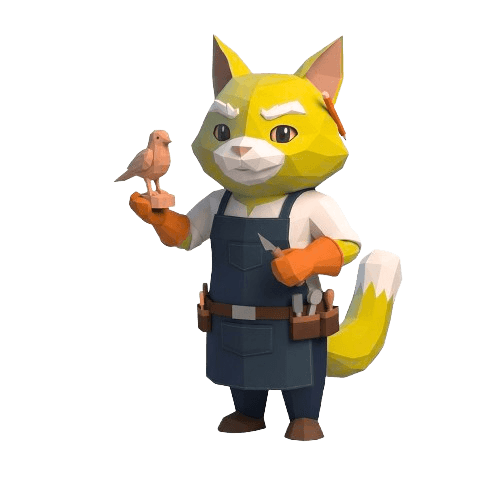
"Focus on what matters"
Communication
Key Points in Communication
- Interacts in a calm, reserved manner, with tolerance and an informal, unpretentious tone
- Pays attention to details and real-world conditions, using logical analysis to review data and make decisions
- Values flexibility, adaptability, and identifying the most efficient action plans
- Emphasizes practical problem-solving, high levels of autonomy, and discretion
- Aims to achieve results with the least possible effort
First Impressions
- Calm and observant, adapts to situations to resolve issues, but may appear distant or detached to others
- Goal-oriented and dislikes conversations that slow down work pace or waste personal time
- Focuses on what is happening here and now rather than strategy; tends to avoid abstract topics or long-term goals
- Becomes irritated by repeated information, rigid schedules, or overly structured participation
- Dislikes close supervision and prefers working free from strict rules or conventions
How to Communicate Effectively with ISTP
Things to Do
- Communicate logically, clearly, and objectively
- Keep communication concise, accurate, and to the point
- Present real, current problems and provide opportunities to develop practical solutions
- Allow freedom to act independently
- Keep meetings and discussions short and focused on key points
- Rather than explaining how to do things step by step, share realistic, measurable goals and standards
Things to Avoid
- Imposing strict rules, regulations, or procedures
- Providing illogical information or asking for unfair actions
- Spending excessive time discussing abstract ideas or long-term goals
- Overly verbose discussions focused on theory, abstraction, or speculation about the future
- Introducing broad concepts or ideas without supporting details or practical applications
- Taking questions or criticism personally
Tips for ISTP
Some people may find it difficult to work effectively if they feel a lack of personal connection. When others share personal matters, show empathy and patience, and avoid blunt, distant, or emotionally indifferent behavior.
Team
ISTP types are practical, realistic, and quick to adapt. They perform best in environments with minimal rules, where they can apply their skills in logical and hands-on ways. They identify inconsistencies in methods or procedures, respond swiftly in urgent situations, and develop clear, practical solutions to immediate needs.
Contributions to the Team
- Possess a broad command of facts related to their interests
- Accurately and carefully describe the characteristics of current situations
- Respond effectively to the team’s immediate, present-moment needs
- Grant other members autonomy to use their skills in their own way
- Do whatever is necessary to make change efficient and effective
- Maintain a calm, objective approach even under stress
Work
ISTP types perceive facts accurately and seek practical, realistic solutions, making them difficult to persuade unless arguments are logically sound. They find satisfaction in addressing current organizational problems based on fundamental principles, independently mobilizing all available resources to reach solutions.
Contributions to the Organization
- Address and stabilize situations by focusing on what is needed in the moment and context
- Function as a 'walking repository of information'
- Act without being constrained by rigid rules
- Remain calm in crisis situations and help others stay composed
- Enjoy honing technical and practical skills
ISTP's Leadership Style
- Lead by example through hands-on demonstration
- Prefer egalitarian and cooperative team structures
- Respond quickly when problems arise
- Provide loose guidance to others while expecting minimal supervision themselves
- Act in accordance with personal principles
Preferred Work Environments for ISTP
- A workplace that requires attention to current events and situational response
- A workplace that stays focused on project execution and problem resolution
- A workplace that values logical reasoning
- A workplace that demands immediate response to issues
- A workplace where proven experience is valued
- A workplace that allows flexibility to work in one’s own preferred way
- A workplace that encourages autonomy and independence
Possible Weaknesses
- May shoulder important matters alone, giving the impression of being inconsiderate toward others
- May act before efforts have time to yield results
- May become overly pragmatic, cutting corners or minimizing effort
- May appear indecisive or lacking clear direction to others
The 4 Extended Types of ISTP
ISTP has four extended types, based on the 5th (Assertive-Turbulent) and 6th (Cooperative-Independent) axes.
ISTP-AC
Assertive × Cooperative
Applies practical skills and solves problems as a team.
ISTP-AS
Assertive × Independent
Explores in their own way and acts freely.
ISTP-TC
Turbulent × Cooperative
Carefully hones skills and collaborates with others.
ISTP-TS
Turbulent × Independent
Explores at their own pace, carefully and independently.